Sadly, I don’t find it surprising that so many of us experience mental health issues caused by feelings of failure, low self esteem, etc. regarding our physical health.
We are surrounded by numbers, scales, recommendations, guidelines and ideals covering all aspects of our physical health, from Body Mass Index to minutes of exercise a week.
What Is Healthy?
The definition created by the World Health Organisation back in 1948 is still used today:
Health is a state of complete physical, mental and social well-being and not merely the absence of disease or infirmity.
There is no mention of any numbers in this definition. And yet we are bombarded with numbers as a means of measuring and assessing our health.
A very quick peruse of the NHS website threw up 10 sets of numbers put forward as guidelines for various aspects of healthy living:
- 18.5 to 24.9 – ‘Normal’ BMI range
- 90/60 to 120/80 – ‘Normal’ blood pressure range
- 2000 / 2500 calories – recommended daily calorie intake for women / men
- 6 to 8 glasses – recommended daily non-alcoholic fluid intake
- 150 minutes – minimum recommended weekly moderate aerobic activity level
- 30g – minimum recommended daily fibre intake
- 6g – maximum recommended daily salt intake
- 2 – minimum recommended weekly fish portions
- 5 – minimum recommended daily fruit and veg intake
- 20g / 30g – maximum recommended daily saturated fat intake for women / men
The Problem With Numbers
Guidelines are all well and good, but such numbers take no account of personal circumstances, individual body shapes, other health information/diagnoses, etc.
It’s easy to see how some people can get obsessed with matching or beating these numbers, and how anxiety can set in if we think we are failing to meet these numbers.
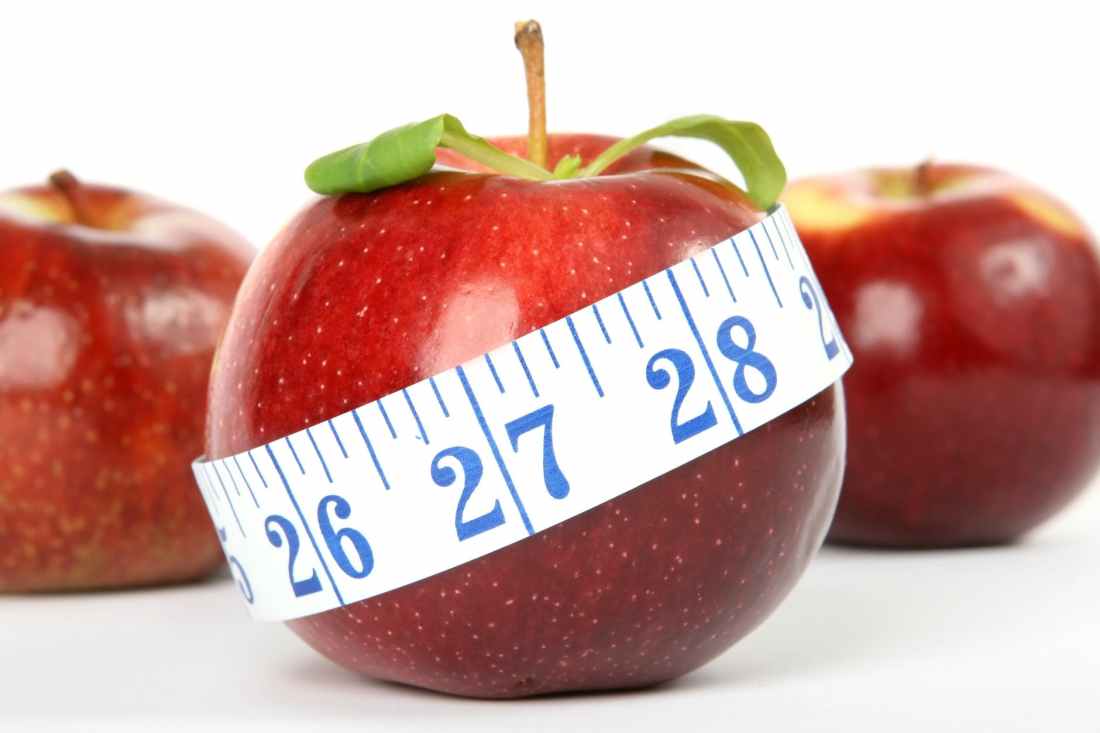
I am a firm believer that one of the best indicators of health is how we feel.
I know I need to lose weight, not because I am far outside the ‘Normal’ BMI range but because I can feel the effects of carrying my excess weight on my body.
I know I need to increase my activity level, not because I currently don’t get anywhere near the recommended weekly figure of 150 minutes but because I can feel the effects of my inactivity on my body.
I am not concerned about losing enough weight to bring me into the ‘Normal’ BMI range. Nor am I focused on increasing my activity levels to 150 minutes per week.
I haven’t set a target weight or activity level. Instead I am going to lose weight until I am comfortable with my shape and size. I am going to increase my activity levels until I feel fit and healthy.
My target isn’t a number but a feeling – to regain a quality of life I am happy with.
As a measure of overall health, therefore, I would suggest we don’t get too bogged down in how well we match up to numbers and instead focus on how we feel in ourselves.
 Musings of a Muddled Mind